
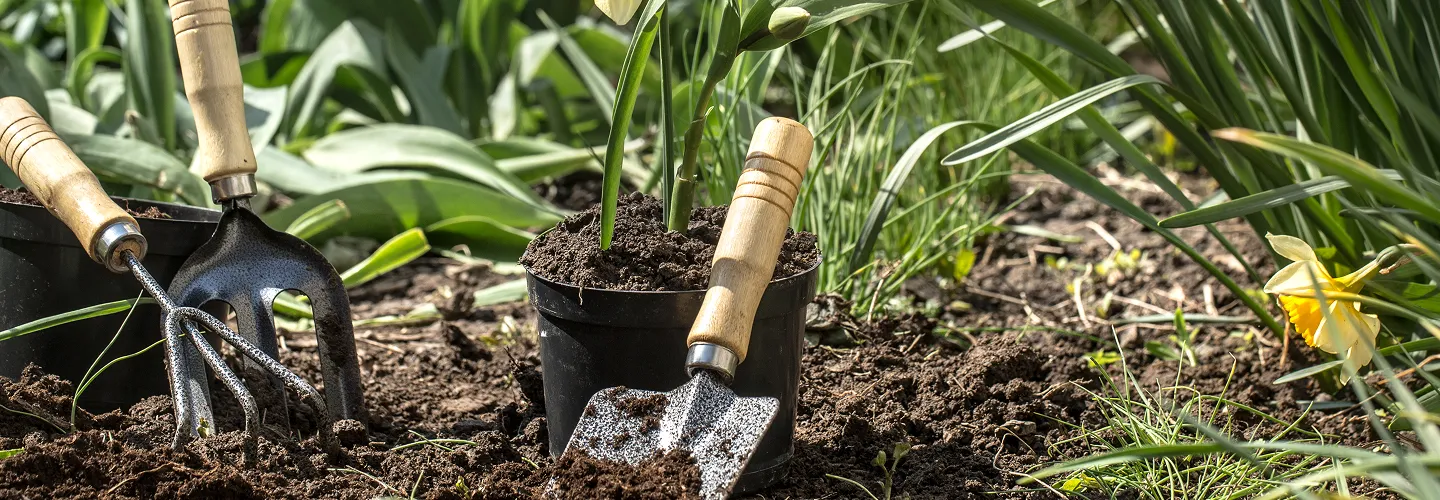
Ave Maria Lawn Seeding Services
Choose our expert lawn seeding services for lush, resilient grass that thrives in Florida’s climate—enjoy a healthier, more beautiful yard with professional care and proven results.
Get a Free QuoteOur Ave Maria Landscaping & Yard Care Services
When to Schedule Lawn Seeding in Ave Maria, Florida – Seasonal Guide
In Ave Maria, Florida, the best time to schedule lawn seeding is typically during the late summer to early fall months. This timing takes advantage of the region’s warm soil temperatures and consistent rainfall, which are ideal for seed germination and root establishment. The subtropical climate in Ave Maria, with its mild winters and hot, humid summers, means that seeding outside of the optimal window can lead to poor results due to excessive heat or unexpected drought conditions.
Local neighborhoods such as Del Webb and Maple Ridge often experience unique microclimates influenced by nearby lakes, shaded areas, and varying soil compositions. Homeowners should consider factors like the last expected frost date, which is generally in early February, and the risk of heavy summer rains that can wash away new seed. Areas with dense tree coverage, such as those near North Park, may require special attention to shade-tolerant grass varieties. For more information on local environmental guidelines, visit the Town of Sudbury’s resource page.
Local Factors to Consider for Lawn Seeding in Ave Maria
- Tree density and shade coverage
- Soil type and drainage characteristics
- Seasonal precipitation patterns
- Proximity to lakes or wetlands
- Municipal watering restrictions
- Terrain slope and erosion risk
Benefits of Lawn Seeding in Ave Maria
Thicker, Healthier Lawns
Improved Curb Appeal
Weed and Pest Resistance
Customized Seed Blends
Professional Expertise
Cost-Effective Lawn Solutions
Ave Maria Lawn Seeding Types

Cool-Season Grass Seeding
-
Warm-Season Grass Seeding
-
Overseeding Existing Lawns
-
Erosion Control Seeding
-
Native Grass Seeding
-
Shade-Tolerant Lawn Seeding
-
Drought-Resistant Lawn Seeding
Our Lawn Seeding Process
Site Preparation
Soil Testing
Seed Selection
Seeding Application
Watering and Maintenance
Why Choose Ave Maria Landscape Services
-
Ave Maria Homeowners Trust Us
-
Expert Lawn Maintenance
-
Reliable Scheduling
-
Competitive Pricing
-
Professional Team
-
Satisfaction Guarantee
-
Personalized Service
Coordinating Lawn Seeding Projects with Ave Maria's Stewardship Community District
Ave Maria operates under a unique governance structure as a master-planned community within unincorporated Collier County. The Ave Maria Stewardship Community District manages public infrastructure including stormwater systems, irrigation networks, and community common areas. Residents and property managers planning lawn seeding projects should coordinate with the district to confirm irrigation availability, understand any community-level landscape standards, and ensure that seeding activities near shared stormwater infrastructure do not introduce sediment or loose soil into retention areas or swale systems.
- Verify irrigation system access and scheduling through the Ave Maria Utility Company before initiating any seeding project
- Confirm that seed application areas adjacent to community swales, retention ponds, or drainage easements include erosion-control measures
- Review community appearance standards through the Ave Maria Master Association, as HOA covenants may specify approved turf species or establishment methods
Ave Maria Stewardship Community District
Official Website: Ave Maria Stewardship Community District
Ave Maria Utility Company
Official Website: Ave Maria Utility Company
How Ave Maria's Inland Soils and Subtropical Climate Affect Lawn Seeding
Ave Maria is situated in eastern Collier County within USDA Hardiness Zone 10a, classified as a South Florida subtropical inland environment. The area experiences intense summer heat, high humidity, and a pronounced wet season from roughly late May through October, followed by a drier and mildly cooler period from November through April. These conditions directly shape lawn seeding feasibility and species selection.
- Sandy, low-organic soils: Ave Maria's inland soils are predominantly sandy with limited organic matter and rapid drainage, which causes seed to dry out quickly without consistent irrigation and allows nutrients to leach below the root zone
- High wet-season rainfall: Torrential summer storms can wash unseeded or freshly seeded areas, displacing seed into swales, retention ponds, and storm drains if erosion controls are not in place
- Heat stress on germination: Soil surface temperatures during summer months can exceed levels favorable for seed germination, making timing critical for warm-season grass establishment
- Limited freeze risk: The near-absence of hard freezes allows year-round warm-season turf growth but eliminates the viability of cool-season grasses as permanent lawn cover
According to the USDA Plant Hardiness Zone Map, Ave Maria's zone supports bahiagrass, bermudagrass, and zoysiagrass from seed, while St. Augustinegrass—the most common residential turf in South Florida—is typically established by sod rather than seed. Property owners should understand that seeding is not equally effective for all turf types in this region, and the USDA Web Soil Survey can help identify site-specific drainage and soil composition before selecting a seeding approach.
Navigating Collier County Regulations and Stormwater Compliance for Lawn Seeding
Because Ave Maria is located in unincorporated Collier County, development and land-use regulations fall under county jurisdiction. While routine residential lawn seeding on an existing lot does not typically require a building permit, larger-scale seeding projects—particularly those involving grading, soil amendment, or work near stormwater infrastructure—may trigger review through Collier County's Growth Management and Community Development Department.
- Any project that alters site drainage or grade should be reviewed for compliance with Collier County stormwater management standards; sediment and loose soil must not enter retention systems, canals, or drainage conveyances
- Fertilizer applied during or after seeding must comply with Florida Statutes §403.9337, which establishes the model ordinance for Florida-Friendly fertilizer use on urban landscapes
- Irrigation during seed establishment must follow South Florida Water Management District watering restrictions; verify current schedules and any drought-stage modifications through the utility provider
- Pesticide applications associated with weed suppression during seeding establishment require proper licensing through the Florida Department of Agriculture and Consumer Services
The Florida DEP NPDES Stormwater Program governs discharge prevention from disturbed land surfaces, and property managers overseeing multi-lot or commercial seeding should confirm whether their project scope triggers any stormwater permit requirements.
Collier County Growth Management & Community Development
2800 N. Horseshoe Drive, Naples, FL
Official Website: Collier County Growth Management & Community Development
Timing and Methods for Successful Lawn Seeding in Ave Maria's Growing Seasons
Lawn seeding in Ave Maria requires careful alignment with the region's warm-season growth cycles. The optimal seeding window for warm-season grasses such as bahiagrass and bermudagrass falls between late April and early July, when soil temperatures are consistently warm enough for germination and the onset of regular rainfall supports establishment. Seeding too late into the peak wet season risks seed displacement from heavy storms, while seeding during the dry season demands intensive supplemental irrigation.
- Seed-to-soil contact: Lightly rake or verticut the surface before broadcasting seed to ensure direct contact with mineral soil; seed scattered over thatch or dense existing turf will not germinate reliably
- Irrigation during establishment: Light, frequent watering—typically two to three brief cycles per day—is necessary to keep the seed bed moist without creating runoff; coordinate watering schedules with current water restrictions to avoid violations
- Erosion control near drainage features: Use straw blankets, silt barriers, or temporary erosion matting on slopes or areas adjacent to swales, retention ponds, and storm inlets to prevent sediment migration
- Species selection: Bahiagrass seed is widely available and tolerant of Ave Maria's sandy, nutrient-poor soils; bermudagrass seed establishes quickly but requires more fertility management; St. Augustinegrass is not commercially available as seed and must be installed as sod
UF/IFAS provides regionally calibrated guidance on lawn establishment and maintenance that residents should consult before selecting seed varieties or scheduling projects.
What Neighborhoods Do We Serve Throughout Ave Maria, FL?
- Del Webb Naples — This active-adult community features newer construction on fill-graded lots with community-managed irrigation, making seed establishment timing and irrigation coordination particularly important for turf repairs and bare-spot renovation
- Maple Ridge — Residential lots in Maple Ridge often border community retention areas and landscaped buffers, requiring erosion-control measures when seeding near shared drainage infrastructure
- Coquina at Maple Ridge — Compact lot sizes and proximity to neighborhood swales mean that seed and soil amendments must be carefully contained to prevent material from migrating into stormwater conveyances
- Avalon Park — Newer subdivision development in Avalon Park may present compacted fill soils that benefit from light soil preparation before seeding to improve seed-to-soil contact and water infiltration
- Hampton Village — Properties in Hampton Village are situated near community green spaces and trail corridors, where coordinated seeding schedules help maintain consistent turf coverage along shared boundaries
- Emerson Park — This neighborhood includes lots adjacent to preserve areas and open-space buffers, where turf species selection and fertilizer management during seeding should account for environmental sensitivity