
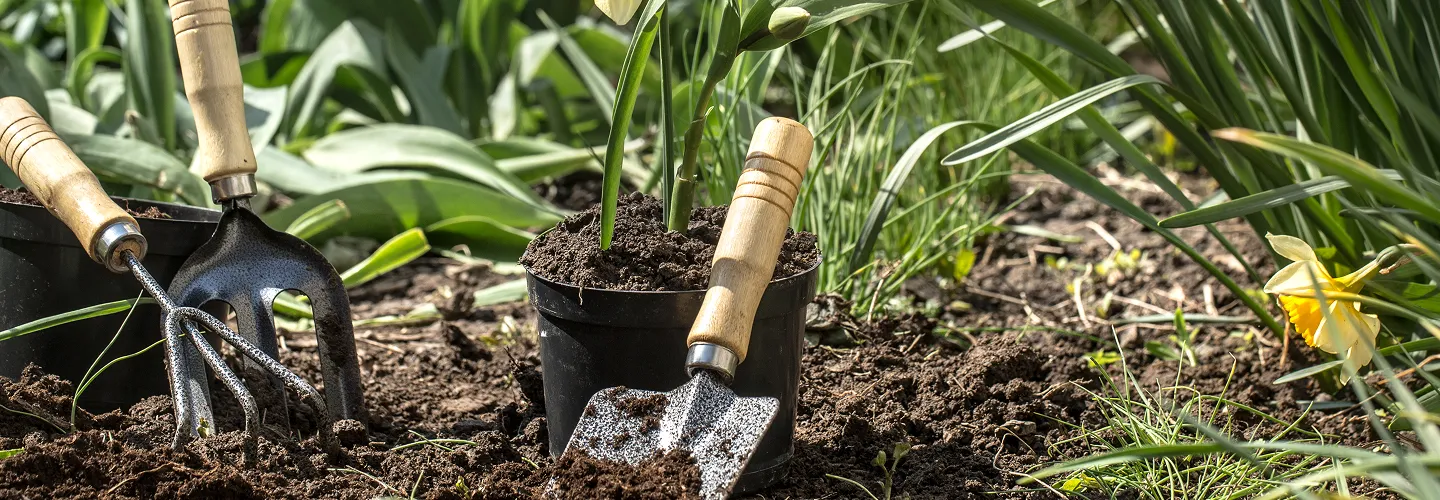
Ave Maria Flower Planting Services
Choose our Flower Planting service for expert care, vibrant selections, and lasting beauty that transforms your outdoor space into a colorful, welcoming retreat.
Get a Free QuoteOur Ave Maria Landscaping & Yard Care Services
When to Schedule Flower Planting in Ave Maria, Florida – Seasonal Guide
Flower planting in Ave Maria, Florida, is best scheduled with careful attention to the region’s unique subtropical climate and local landscape features. The optimal planting windows typically fall between late October and early April, when cooler temperatures and lower humidity levels help new blooms establish strong roots. Neighborhoods like Maple Ridge and Del Webb benefit from these milder months, as the risk of heat stress and drought is minimized, and the soil retains more consistent moisture.
Local environmental factors play a significant role in determining the best time for planting. Ave Maria’s proximity to the Corkscrew Swamp and its sandy, well-draining soils mean that irrigation and shade coverage—especially in areas near the Town Center or along Ave Maria Boulevard—must be considered. Homeowners should also be mindful of the last expected frost date, which typically occurs in late January, and plan accordingly to avoid damage to tender annuals. For more detailed local guidelines, consult resources like the Town of Sudbury’s landscaping page.
Local Factors to Consider for Flower Planting in Ave Maria
- Tree density and shade coverage in neighborhoods such as Emerson Park
- Soil type and drainage, especially in newly developed areas
- Seasonal precipitation patterns and drought risk
- Municipal restrictions or HOA guidelines on planting
- Proximity to water features or conservation areas
- Terrain variations, including elevation and slope
Benefits of Flower Planting in Ave Maria
Enhanced Curb Appeal
Increased Property Value
Expert Plant Selection
Seasonal Color Variety
Low-Maintenance Solutions
Eco-Friendly Landscaping
Ave Maria Flower Planting Types

Perennial Flower Beds
-
Annual Flower Displays
-
Native Wildflower Gardens
-
Pollinator-Friendly Plantings
-
Shade Garden Flowers
-
Drought-Tolerant Flower Beds
-
Seasonal Color Rotations
Our Flower Planting Process
Site Evaluation
Soil Preparation
Flower Selection
Planting
Watering and Mulching
Why Choose Ave Maria Landscape Services
-
Ave Maria Homeowners Trust Us
-
Expert Lawn Maintenance
-
Reliable Scheduling
-
Competitive Pricing
-
Professional Team
-
Satisfaction Guarantee
-
Personalized Service
Coordinating Flower Planting Projects with Ave Maria's Community District and Infrastructure
Ave Maria is a master-planned community in eastern Collier County governed by a Stewardship Community District rather than a traditional municipal government. Residents and property managers planning flower planting projects should coordinate with the district and the master association to ensure plantings align with community infrastructure, irrigation systems, and common-area standards. Key coordination steps include:
- Confirming that new flower bed installations do not interfere with community irrigation lines, stormwater swales, or retention pond buffers managed by the Stewardship Community District
- Reviewing community appearance standards through the Ave Maria Master Association before modifying front-yard or streetside planting beds
- Verifying water service capacity and irrigation meter availability through the Ave Maria Utility Company, particularly when adding drip or micro-spray zones for new flower beds
Flower planting near shared greenways, trail corridors, or park-adjacent lots may require additional review to ensure root zones and amended soils do not compromise drainage infrastructure.
Ave Maria Stewardship Community District
Official Website: Ave Maria Stewardship Community District
Ave Maria Utility Company
Official Website: Ave Maria Utility Company
How Ave Maria's Inland Subtropical Climate and Soils Shape Flower Planting
Ave Maria sits in USDA Hardiness Zone 10a, within the South Florida subtropical inland corridor east of Naples. This location produces conditions that directly determine which flowers establish successfully and which fail. The community's distance from the coast eliminates salt-spray concerns but intensifies inland heat accumulation, particularly from May through October when afternoon temperatures regularly exceed 90°F.
- Sandy, nutrient-poor soils: Much of Ave Maria was developed on flatwoods terrain with sandy soils that drain rapidly and retain very little organic matter. Flower beds typically require substantial soil amendment with composted organic material to support root establishment and moisture retention. The USDA Web Soil Survey can help identify specific soil series on individual parcels.
- Wet-season saturation: From June through September, Ave Maria receives the bulk of its approximately 54 inches of annual rainfall. Flower beds in low-lying areas or near retention ponds may experience temporary saturation, making raised bed construction or species with flood tolerance essential.
- High water table influence: Portions of the community sit over seasonally high water tables, which can limit root depth for deeper-rooted perennials and create anaerobic conditions during prolonged wet periods.
- Dry-season irrigation dependence: From November through April, rainfall drops sharply. Flower plantings installed without dedicated irrigation zones frequently suffer desiccation stress, especially in full-sun exposures along south- and west-facing walls.
Species suited to Ave Maria's conditions include pentas, firebush, lantana, blanket flower, and African iris for sun exposures, and impatiens, caladiums, and bromeliads for shaded beds. The USDA Plant Hardiness Zone Map provides baseline cold-tolerance guidance for species selection.
Navigating Ave Maria's Regulatory Framework for Flower Planting Compliance
Because Ave Maria is an unincorporated community within Collier County, land-use regulations, building codes, and development standards fall under county jurisdiction. Flower planting itself does not typically require a permit, but several regulatory layers apply when projects involve grading changes, irrigation modifications, or work near stormwater infrastructure.
- Modifications to existing irrigation systems that involve new connections or backflow prevention changes should be coordinated with the Ave Maria Utility Company to ensure compliance with potable water protection standards
- Flower bed installations adjacent to stormwater retention ponds, swales, or drainage easements must avoid introducing soil amendments, mulch, or fertilizer into the stormwater conveyance system, consistent with Florida DEP NPDES Stormwater Program requirements
- Any fertilizer applied during flower bed preparation or ongoing maintenance should follow the nutrient management principles outlined in Florida Statutes §403.9337, which establishes the model ordinance for Florida-Friendly fertilizer use on urban landscapes
- Community code enforcement standards govern property appearance, including overgrown or neglected flower beds that may create nuisance conditions
Residents should verify current community standards before beginning large-scale planting projects, particularly in front-yard and streetside areas visible from roadways.
Collier County Growth Management & Community Development
2800 N. Horseshoe Drive, Naples, FL
Official Website: Collier County Growth Management & Community Development
Timing Flower Planting Around Ave Maria's Wet Season and Heat Cycles
Professional flower planting in Ave Maria follows seasonal windows dictated by rainfall intensity, heat stress, and irrigation availability. Proper timing significantly affects establishment rates and long-term plant survival.
- October through early December represents the primary planting window for most annual and perennial flowers. Temperatures moderate from summer extremes, rainfall tapers, and root systems can establish before the dry season's peak irrigation demand.
- February through March offers a secondary window for warm-season annuals such as pentas, vinca, and zinnias before summer heat and rain arrive. Soil temperatures are warm enough for rapid root growth without the saturation risk of wet season.
- Avoid planting during peak wet season (July–September) when daily thunderstorms can wash out freshly installed beds, displace mulch into swales and storm drains, and promote fungal root rot in newly transplanted stock.
Soil preparation standards for Ave Maria's sandy substrate include incorporating two to four inches of composted organic matter into the top eight to ten inches of the planting bed. Irrigation should be zoned separately from turf areas to allow hydrozoning—delivering appropriate water volumes to flower beds without overwatering or underwatering adjacent lawn sections. Mulch should be applied at two to three inches depth, kept away from plant stems, and secured against displacement in areas prone to sheet flow during storms. The EPA WaterSense program provides additional guidance on efficient outdoor irrigation practices applicable to flower bed management.
What Neighborhoods Do We Serve Throughout Ave Maria, FL?
- Del Webb Naples — This active-adult community features compact lots with builder-installed landscape beds that benefit from seasonal flower rotation, particularly in front-entry and courtyard exposures with reflected heat from stucco walls.
- Maple Ridge — Homes in Maple Ridge often include rear-yard preserve views where shade-tolerant flower species such as caladiums and impatiens perform well in filtered-light bed areas adjacent to conservation buffers.
- Coquina at Maple Ridge — Townhome-style properties in Coquina present limited planting bed space, making species selection and irrigation efficiency critical for maintaining color in compact front-yard and entry areas.
- Avalon Park — Family-oriented lots in Avalon Park frequently include larger side-yard and rear-yard beds where full-sun perennials and pollinator-friendly plantings can be established with dedicated drip irrigation zones.
- Hampton Village — Properties near community lakes and retention areas in Hampton Village require careful attention to mulch containment and fertilizer placement to prevent nutrient migration into adjacent stormwater systems.
- Emerson Park — Newer construction in Emerson Park often involves fill-based soils with limited organic content, requiring thorough bed preparation and soil amendment before flower installation to support healthy root development.
Ave Maria Master Association (Parks & Recreation)
Official Website: Ave Maria Master Association