
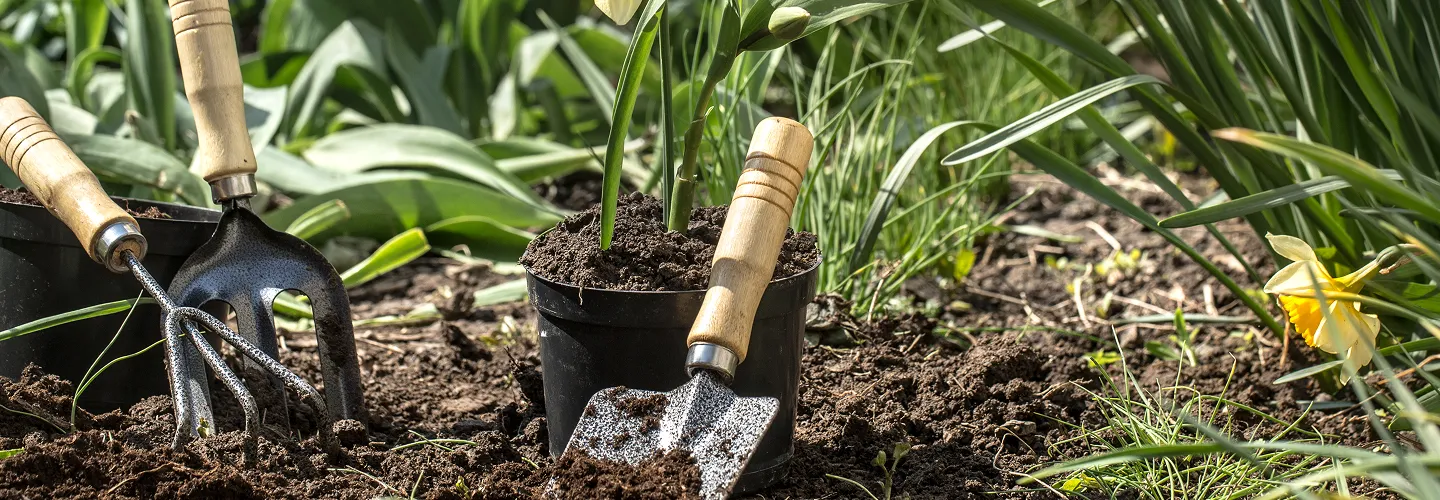
Ave Maria Weeding Services
Choose Ave Maria Weeding Services for reliable, thorough, and eco-friendly weed removal that keeps your yard healthy and beautiful all season long.
Get a Free QuoteOur Ave Maria Landscaping & Yard Care Services
When to Schedule Weeding in Ave Maria, Florida – Seasonal Guide
In Ave Maria, Florida, effective weeding is best scheduled with careful attention to our unique subtropical climate and local landscape features. The optimal times for weeding are typically late winter through early spring and again in late summer, when weed growth is most active but before seeds have a chance to spread. Neighborhoods like Del Webb and Maple Ridge often experience rapid weed emergence after the first warm spells following our mild winters, making early intervention crucial.
Local environmental factors such as high humidity, sandy soils, and the risk of drought during late spring can all impact weed growth and removal strategies. Areas near the Ave Maria University campus or along Oil Well Road may also contend with varying shade coverage and soil moisture, affecting both weed types and the best timing for service. For more information on local environmental guidelines, visit the Town of Sudbury’s resource page.
Local Factors to Consider for Weeding in Ave Maria
- Tree density and shade coverage in neighborhoods like Emerson Park
- Soil type, especially sandy or well-drained soils common in the area
- Seasonal precipitation patterns and drought risk
- Frost dates, which are rare but can influence weed cycles
- Terrain variations, including sloped yards or retention areas
- Municipal restrictions or HOA guidelines on herbicide use
Benefits of Weeding in Ave Maria
Enhanced Curb Appeal
Healthier Plant Growth
Reduced Pest Infestation
Improved Soil Quality
Professional and Reliable Service
Time and Effort Savings
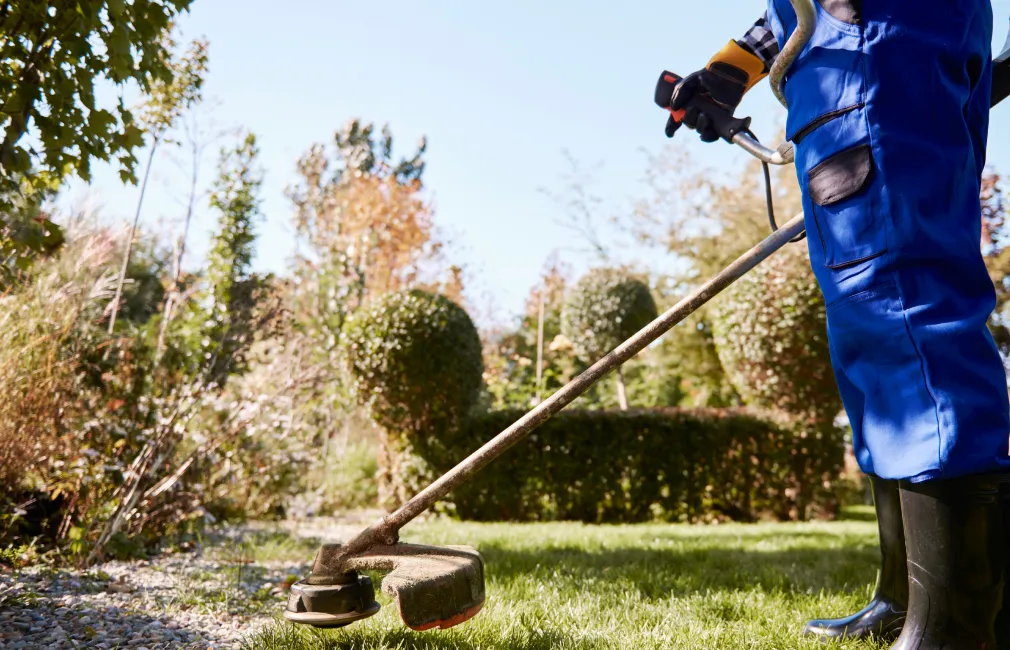
Ave Maria Weeding Types

Manual Hand Weeding
-
Mulch Application
-
Pre-Emergent Herbicide Treatment
-
Post-Emergent Herbicide Application
-
Flame Weeding
-
Mechanical Weeding
-
Organic Weed Control
Our Weeding Process
Site Evaluation
Weed Identification
Manual Removal
Soil Cultivation
Preventative Measures
Why Choose Ave Maria Landscape Services
-
Ave Maria Homeowners Trust Us
-
Expert Lawn Maintenance
-
Reliable Scheduling
-
Competitive Pricing
-
Professional Team
-
Satisfaction Guarantee
-
Personalized Service
Coordinating Weeding Services with Ave Maria's Stewardship Community District
Ave Maria operates under a master-planned community framework governed by the Ave Maria Stewardship Community District, which oversees public infrastructure including stormwater management systems, irrigation networks, and common-area landscaping. Residents and property managers undertaking weeding on parcels adjacent to community swales, retention ponds, or shared landscape buffers should coordinate with the district to confirm that weed removal activities do not disturb stormwater conveyance features or irrigation infrastructure. The Ave Maria Master Association also enforces community appearance standards that may include expectations for weed-free beds, turf edges, and frontage areas. Property owners should verify current maintenance requirements before initiating large-scale weeding programs, particularly in areas bordering common greenways or preserve buffers.
- Confirm whether weeding near retention ponds or swales requires district notification
- Review community appearance standards through the Master Association for bed and frontage upkeep
- Avoid depositing pulled weeds or organic debris into stormwater conveyance features
Ave Maria Stewardship Community District
Official Website: Ave Maria Stewardship Community District
Ave Maria Master Association
Official Website: Ave Maria Master Association
How Ave Maria's Subtropical Climate and Sandy Soils Intensify Weed Pressure
Ave Maria sits in eastern Collier County within USDA Hardiness Zone 10a, experiencing a subtropical climate characterized by intense summer heat, high humidity, and a pronounced wet season from roughly May through October. These conditions create aggressive weed flushes, particularly after heavy afternoon thunderstorms saturate the community's predominantly sandy, low-organic soils. Rapid drainage through sandy substrates means nutrients leach quickly, often leaving turf and ornamental beds thin enough for opportunistic weeds to establish. The high water table in portions of the community further complicates weed management by keeping root zones moist during the wet season, favoring species such as dollarweed, chamberbitter, and various sedges.
- Sandy soils drain rapidly but support shallow-rooted weed species that exploit bare or thin areas
- Summer humidity promotes fungal conditions that weaken turf, creating openings for weed colonization
- Wet-season rainfall triggers multiple germination cycles, requiring repeated weeding interventions
- Proximity to agricultural land east of the community can introduce wind-dispersed weed seeds
Information on local soil characteristics can be verified through the USDA Web Soil Survey, and regional hardiness data is available from the USDA Plant Hardiness Zone Map.
Navigating Collier County's Regulatory Framework for Weeding Compliance in Ave Maria
Weeding activities in Ave Maria fall under Collier County's regulatory jurisdiction for code compliance, pesticide use, and stormwater protection. When herbicides are used as part of a weeding program, commercial applicators must hold valid certification through the Florida Department of Agriculture and Consumer Services (FDACS) pesticide licensing program. Florida Statutes Chapter 487 governs pesticide application standards statewide, including label compliance, drift prevention, and buffer requirements near water bodies. The Florida DEP NPDES Stormwater Program requires that herbicide runoff not enter the municipal separate storm sewer system (MS4), which is particularly relevant in Ave Maria given the community's network of retention ponds and engineered swales.
- Commercial herbicide applicators must maintain current FDACS certification
- Herbicide applications near retention ponds, swales, or lake edges require label-compliant buffer distances
- Pulled weed material should not be left in drainage paths where decomposition could contribute nutrient loading
- Code enforcement may address properties with excessive weed growth affecting community standards
Collier County Growth Management & Community Development
2800 N. Horseshoe Drive, Naples, FL
Official Website: Collier County Growth Management & Community Development
Timing Weeding Around Ave Maria's Wet Season and Warm-Season Growth Cycles
Effective weeding in Ave Maria requires alignment with the community's distinct seasonal patterns. Pre-emergent treatments for broadleaf and grassy weeds are most effective when applied before the spring germination flush, typically in late February through early March, and again before the secondary fall flush in September. Hand weeding and mechanical removal should occur before weeds reach seed set to prevent reinfestation. During the wet season, weeding frequency may need to increase to every two to three weeks due to accelerated germination from consistent moisture and warm soil temperatures.
- Apply pre-emergent products before spring and fall germination windows for maximum suppression
- Hand-pull or mechanically remove weeds before seed heads mature to reduce future weed banks
- Increase weeding frequency during the May-through-October wet season when germination accelerates
- Maintain mulch depth in ornamental beds to suppress weed emergence between service intervals
- Avoid herbicide application immediately before forecast rainfall to prevent runoff into stormwater systems
Guidance on protecting water resources during landscape maintenance is available through UF/IFAS Gardening Solutions.
What Neighborhoods Do We Serve Throughout Ave Maria, FL?
- Del Webb Naples — This active-adult community features manicured landscape beds and turf areas where consistent weeding supports HOA appearance standards and preserves irrigation efficiency around ornamental plantings.
- Maple Ridge — Newer subdivision lots with fill-based soils often experience rapid weed establishment in beds and along turf edges, particularly during the first years after construction grading.
- Coquina at Maple Ridge — Properties adjacent to community lakes and retention areas require careful weeding practices that prevent organic debris and herbicide drift from reaching stormwater features.
- Avalon Park — Family-oriented lots with mixed sun and shade exposure create varied weed pressure, with sedges and broadleaf weeds favoring shaded, moist turf margins.
- Hampton Village — Compact lot sizes concentrate landscape beds near hardscape edges, where weed encroachment along pavers and walkways demands frequent attention.
- Emerson Park — Proximity to preserve buffers and greenway corridors introduces native and invasive weed species that require identification before removal to avoid disturbing protected vegetation.