
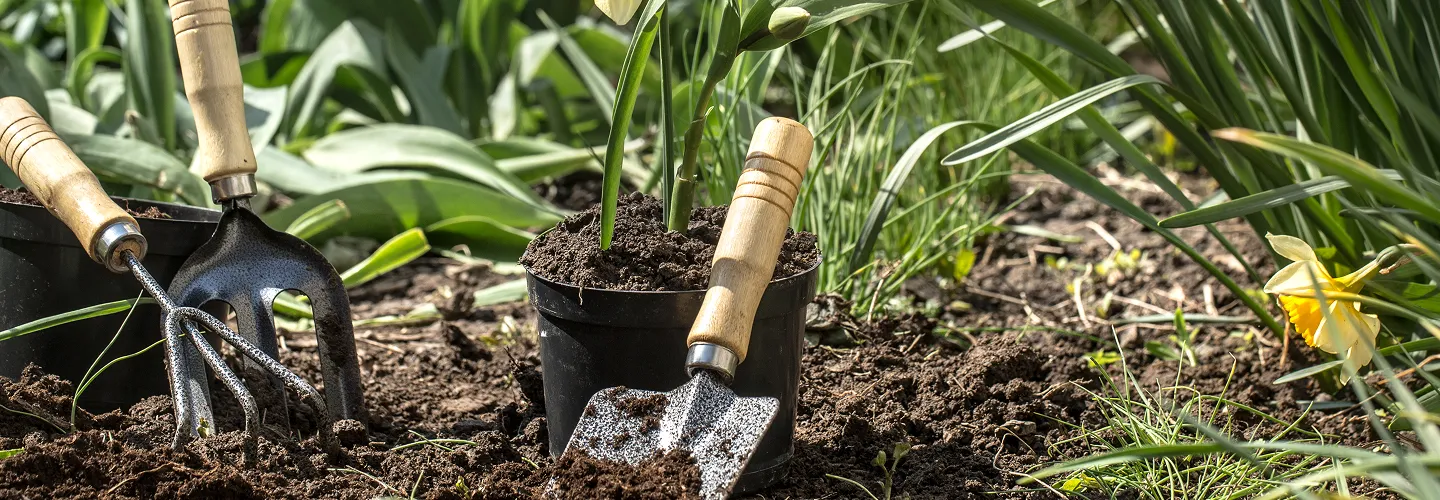
Ave Maria Flower Bed Maintenance Services
Choose our Flower Bed Maintenance for expert care, healthy blooms, and a beautiful landscape that enhances your home's curb appeal—let us handle the hard work so you can enjoy a thriving, colorful garden without the hassle.
Get a Free QuoteOur Ave Maria Landscaping & Yard Care Services
When to Schedule Flower Bed Maintenance in Ave Maria, Florida – Seasonal Guide
In Ave Maria, Florida, the timing of flower bed maintenance is closely tied to our unique subtropical climate and the specific needs of local landscapes. With mild winters and hot, humid summers, the best periods for comprehensive flower bed care are typically late winter through early spring and again in early fall. These windows allow for optimal plant health, as they avoid the peak summer heat and the rare but possible winter frosts. Neighborhoods like Maple Ridge and Del Webb benefit from early spring mulching and pruning, while areas near the Ave Maria University campus often require additional attention due to varying shade coverage and soil drainage.
Local environmental factors play a significant role in determining the right maintenance schedule. For example, the risk of drought during late spring and early summer means irrigation and soil moisture management are crucial. Humidity levels can encourage fungal growth, especially in shaded lots or those with dense tree canopies. Soil types in Ave Maria range from sandy to loamy, impacting both nutrient retention and drainage. For more information on local environmental guidelines, visit the Town of Sudbury's resource page.
Local Factors to Consider for Flower Bed Maintenance in Ave Maria
- Tree density and shade coverage in neighborhoods like Emerson Park
- Soil type variations (sandy vs. loamy) affecting drainage and nutrient needs
- Seasonal precipitation patterns and drought risk
- Proximity to water features or wetlands
- Municipal restrictions on irrigation or fertilizer use
- Terrain and elevation differences across the community
Benefits of Flower Bed Maintenance in Ave Maria
Enhanced Curb Appeal
Weed and Pest Prevention
Healthier Plant Growth
Seasonal Color Variety
Professional Landscaping Expertise
Time and Effort Savings
Ave Maria Flower Bed Maintenance Types

Seasonal Flower Planting
-
Weed Control Services
-
Mulch Installation
-
Soil Amendment and Fertilization
-
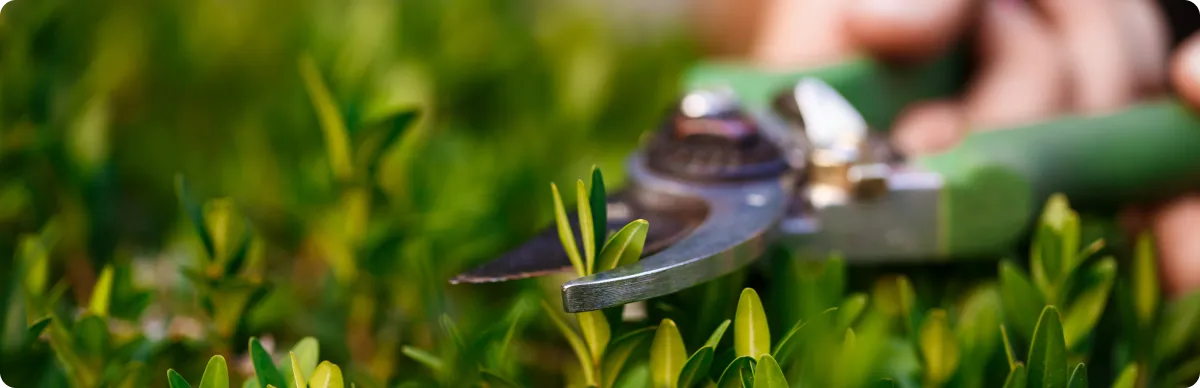
Pruning and Deadheading
-
Pest and Disease Management
-
Edging and Bed Redefining
Our Flower Bed Maintenance Process
Site Evaluation
Weed Removal
Soil Cultivation
Mulching
Plant Health Inspection
Why Choose Ave Maria Landscape Services
-
Ave Maria Homeowners Trust Us
-
Expert Lawn Maintenance
-
Reliable Scheduling
-
Competitive Pricing
-
Professional Team
-
Satisfaction Guarantee
-
Personalized Service
Coordinating Flower Bed Maintenance with Ave Maria's Stewardship Community District
Ave Maria operates under a unique governance structure as a master-planned community within unincorporated Collier County. The Ave Maria Stewardship Community District oversees public infrastructure, stormwater management, and irrigation systems that directly affect how flower bed maintenance is performed on residential and common-area properties. Residents and property managers should coordinate with the district before undertaking bed renovations that involve grading changes, irrigation line modifications, or work adjacent to community stormwater features such as retention ponds, swales, and drainage easements.
- Verify whether flower bed work near community-maintained swales or retention areas requires district notification
- Confirm irrigation tap locations and reclaimed water availability through the utility provider before adding or relocating drip emitters
- Review community appearance standards through the Master Association before altering bed layouts, plant selections, or hardscape edging along front-facing lots
The Ave Maria Master Association maintains standards for common-area landscaping and can clarify expectations for bed aesthetics, plant height, and mulch type in visible frontage zones.
Ave Maria Stewardship Community District
Official Website: Ave Maria Stewardship Community District
Ave Maria Utility Company
Official Website: Ave Maria Utility Company
How Ave Maria's Inland Heat and Sandy Soils Shape Flower Bed Performance
Ave Maria sits in USDA Hardiness Zone 10a in the interior of Collier County, classified within the South Florida subtropical inland context. Unlike coastal communities buffered by sea breezes, Ave Maria experiences more intense daytime heat, wider diurnal temperature swings during the dry season, and minimal salt exposure. These conditions create specific challenges for flower bed maintenance throughout the year.
- Sandy, low-organic soils: The inland soils in this area tend to be sandy and nutrient-poor, draining rapidly and offering limited moisture retention. Flower beds require consistent organic amendment and mulch cover to sustain root-zone moisture between irrigation cycles. The USDA Web Soil Survey can help property owners identify the specific soil series present on their parcels.
- Intense wet-season rainfall: From June through October, Ave Maria receives heavy, often daily afternoon thunderstorms. Flower beds without proper drainage or raised profiles can experience root saturation, fungal pressure, and mulch displacement from sheet-flow runoff.
- High evapotranspiration in dry season: Between November and May, irrigation demand increases sharply. Drip emitters and micro-spray heads in flower beds must be inspected regularly for clogging from calcium deposits common in the local water supply.
- Reflected heat from hardscape: Newer subdivisions with concrete driveways, sidewalks, and light-colored stucco amplify radiant heat exposure on adjacent beds, accelerating wilt in heat-sensitive annuals.
Selecting plants suited to Zone 10a conditions—such as pentas, lantana, firebush, and bulbine—reduces replacement frequency and supports pollinator habitat consistent with UF/IFAS Gardening Solutions recommendations for Florida-friendly landscapes.
Navigating Collier County's Regulations and Compliance for Flower Bed Maintenance
Because Ave Maria is an unincorporated community, regulatory authority for land use, code enforcement, and development standards falls under Collier County jurisdiction. Property owners and maintenance providers should be aware of several compliance layers that affect flower bed work.
- Code compliance: Overgrown beds, accumulated debris, and dead plant material in visible frontage areas may trigger code enforcement action. The community maintains property maintenance standards that address vegetation appearance and weed accumulation. Verify current requirements through Ave Maria Code Enforcement.
- Fertilizer application: Collier County enforces a fertilizer ordinance consistent with Florida Statutes §403.9337, which establishes guidelines for nitrogen and phosphorus application rates on urban landscapes. Flower bed fertilization should follow these restrictions, particularly during the summer rainy season when nutrient runoff risk is highest.
- Pesticide licensing: Any commercial applicator treating flower beds with herbicides, fungicides, or insecticides must hold valid certification through the Florida Department of Agriculture and Consumer Services.
- Stormwater protection: Flower bed maintenance activities must prevent soil, mulch, and chemical runoff from entering stormwater conveyances. The Florida DEP NPDES Stormwater Program governs discharge standards that apply to all properties within the community's drainage basin.
Collier County Growth Management & Community Development
2800 N. Horseshoe Drive, Naples, FL
Official Website: Collier County Growth Management & Community Development
Timing Flower Bed Maintenance Around Ave Maria's Wet Season and Heat Cycles
Professional flower bed maintenance in Ave Maria follows a seasonal rhythm dictated by the subtropical climate. Proper timing of each task reduces plant loss, minimizes resource waste, and protects the surrounding stormwater infrastructure.
- Deadheading and cleanup: Remove spent blooms and damaged foliage every two to three weeks during the active growing season (March through November). During peak wet season, inspect beds weekly for fungal damage on impatiens, begonias, and other moisture-sensitive species.
- Mulch replenishment: Apply or refresh mulch to a depth of approximately two to three inches in early spring before the rainy season begins. Avoid piling mulch against plant stems, which promotes crown rot in humid conditions. Use shredded hardwood or melaleuca mulch suited to the local environment.
- Weed suppression: Hand-pull weeds before they set seed, particularly after summer rain events that trigger rapid germination of chamberbitter, spurge, and Florida pusley. Pre-emergent applications, when used, should be timed before the spring weed flush and applied by licensed professionals.
- Irrigation audit: Check drip lines and micro-spray emitters at the start of each dry season. Adjust run times to account for reduced rainfall while complying with any watering restrictions established by the South Florida Water Management District. The EPA WaterSense program provides additional guidance on efficient outdoor irrigation practices.
- Seasonal replanting: Transition cool-season annuals such as petunias and snapdragons out of beds by late March, replacing them with heat-tolerant selections before sustained temperatures exceed 90°F.
What Neighborhoods Do We Serve Throughout Ave Maria, FL?
- Del Webb Naples: This active-adult community features compact lots with builder-installed flower beds that require consistent deadheading, mulch management, and irrigation monitoring due to high sun exposure and limited tree canopy.
- Maple Ridge: Newer construction with sandy fill soils means flower beds in this neighborhood benefit from organic soil amendments and frequent mulch replenishment to offset rapid drainage.
- Coquina at Maple Ridge: Townhome-style properties with shared landscape areas and HOA-maintained common beds require coordination between individual owners and the association for consistent bed appearance.
- Avalon Park: Family-oriented lots with varied sun and shade exposure create mixed planting conditions, requiring hydrozoning strategies to match irrigation delivery with each bed's specific light and drainage profile.
- Hampton Village: Properties adjacent to community lakes and retention areas demand careful attention to mulch containment and fertilizer application to prevent nutrient migration into stormwater features.
- Emerson Park: Newer subdivision development with recently graded lots where flower beds may experience soil settlement, requiring periodic bed-edge correction and grade adjustment to maintain proper drainage away from foundations.