
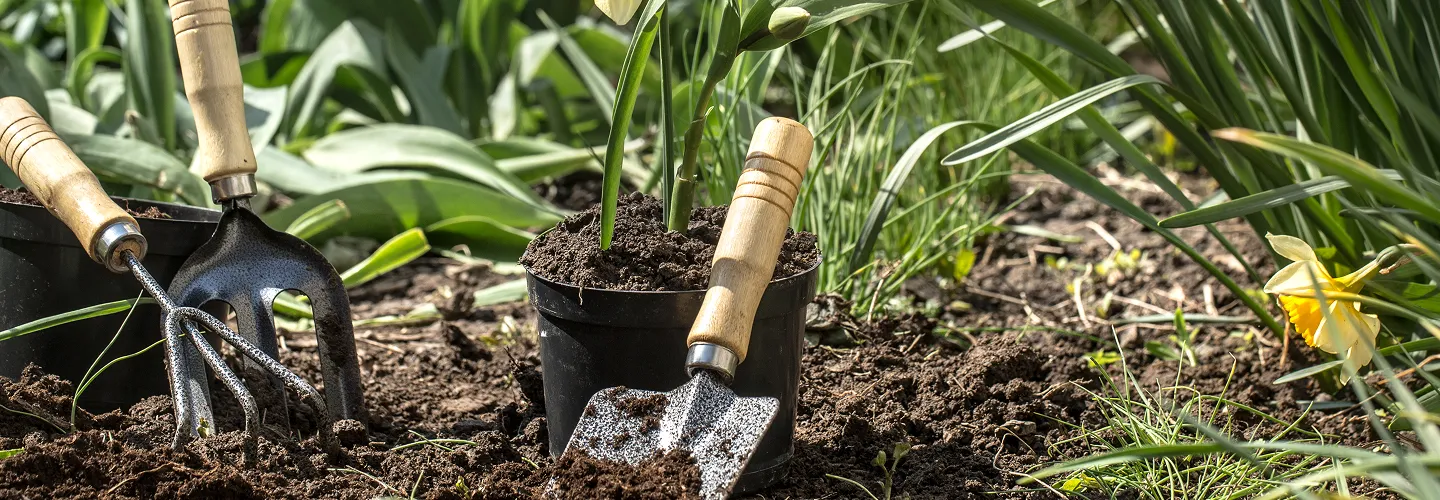
Ave Maria Lawn Renovation Services
Choose our Lawn Renovation services for a lush, healthy yard—our experienced team uses proven techniques and premium materials to restore your lawn’s beauty, boost curb appeal, and ensure lasting results you’ll love.
Get a Free QuoteOur Ave Maria Landscaping & Yard Care Services
When to Schedule Lawn Renovation in Ave Maria, Florida – Seasonal Guide
In Ave Maria, Florida, timing your lawn renovation is crucial for achieving a lush, healthy yard that thrives year-round. The region’s subtropical climate, characterized by warm, humid summers and mild, dry winters, means that the best periods for lawn renovation typically fall between late spring and early summer, or again in early fall. Renovating during these windows allows new grass to establish before the peak heat or potential droughts of midsummer, and before the cooler, less predictable weather of winter.
Local factors such as the proximity to the Panther Run Golf Club, the shade provided by mature oaks in Del Webb, and the sandy, well-draining soils common in Maple Ridge neighborhoods all play a role in determining the optimal renovation schedule. Homeowners should also consider Ave Maria’s average last frost date in early February and the increased rainfall during hurricane season. For more information on local environmental guidelines, visit the Town of Sudbury’s resource page.
Local Factors to Consider for Lawn Renovation in Ave Maria
- Tree density and shade coverage, especially in established neighborhoods like Emerson Park
- Soil composition, with sandy soils requiring different preparation than clay-rich areas
- Seasonal precipitation patterns and risk of drought during late summer
- Municipal watering restrictions and local ordinances
- Terrain and drainage, particularly in areas near the North Park fields
- Humidity levels and their impact on disease and pest pressure
Benefits of Lawn Renovation in Ave Maria
Enhanced Curb Appeal
Healthier Grass Growth
Weed and Pest Reduction
Improved Soil Quality
Increased Property Value
Customized Lawn Solutions
Ave Maria Lawn Renovation Types

Sod Installation
-
Overseeding
-
Aeration and Topdressing
-
Weed and Pest Control
-
Soil Amendment
-
Dethatching
-
Irrigation System Upgrades
Our Lawn Renovation Process
Site Evaluation
Soil Preparation
Seeding or Sod Installation
Watering and Fertilization
Ongoing Maintenance
Why Choose Ave Maria Landscape Services
-
Ave Maria Homeowners Trust Us
-
Expert Lawn Maintenance
-
Reliable Scheduling
-
Competitive Pricing
-
Professional Team
-
Satisfaction Guarantee
-
Personalized Service
Coordinating Lawn Renovation Projects Through Ave Maria's Stewardship Community District
Ave Maria is a master-planned community in eastern Collier County governed by a Stewardship Community District rather than a traditional municipal government. Lawn renovation projects—whether addressing compaction, drainage failure, turf conversion, or shade damage—require coordination with this district, which oversees stormwater infrastructure, irrigation systems, and community facilities. Before initiating soil correction, regrading, or turf replacement, residents and property managers should confirm that planned work does not interfere with community irrigation lines, retention swales, or stormwater conveyance systems managed by the district.
- Verify irrigation system tie-ins and reclaimed water availability through the Ave Maria Utility Company before scheduling renovation work
- Confirm that grading changes will not redirect surface flow toward neighboring lots, shared swales, or retention areas
- Review community standards and property maintenance requirements through the district's code compliance process to ensure renovated turf meets appearance and species guidelines
Ave Maria Stewardship Community District
Ave Maria, FL
Official Website: Ave Maria Stewardship Community District
Property owners in HOA-governed neighborhoods should also consult their association's architectural review process, as turf species changes or significant regrading may require prior approval.
How Ave Maria's Inland Subtropical Climate and Sandy Soils Affect Lawn Renovation
Ave Maria sits in USDA Hardiness Zone 10a, positioned inland from the Gulf Coast in a subtropical environment characterized by intense summer heat, high humidity, and a pronounced wet season from roughly May through October. These conditions directly shape every aspect of lawn renovation planning. The community was developed on land historically used for agriculture, and residential lots typically feature sandy, low-organic soils—often with fill material placed during subdivision construction. This soil profile creates specific challenges for turf establishment and long-term lawn health.
- Rapid nutrient leaching: Sandy soils and fill material drain quickly, causing applied fertilizers to move below the root zone before turf can absorb them, increasing the risk of groundwater contamination
- Compaction in fill soils: Subdivision fill compacts under foot traffic and mowing equipment, reducing water infiltration and root penetration—a primary driver of lawn decline in newer Ave Maria neighborhoods
- High water table interaction: Eastern Collier County's relatively high seasonal water table can saturate root zones during wet-season peaks, promoting fungal disease in stressed turf
- Heat and humidity stress: Summer air temperatures regularly exceed 90°F with humidity above 80%, creating conditions where St. Augustinegrass and bahiagrass thrive but where improperly renovated turf fails rapidly
The USDA Web Soil Survey provides parcel-level soil data that can help identify whether a specific lot contains native sandy soils, imported fill, or organic-rich low areas requiring different renovation approaches.
Navigating Collier County Regulations and Compliance for Lawn Renovation in Ave Maria
Because Ave Maria is an unincorporated community within Collier County, regulatory oversight for land disturbance, stormwater management, and development standards falls under county jurisdiction. Lawn renovation projects that involve significant regrading, drainage modification, or soil import may trigger review through the county's development services process. Residents should verify current thresholds with the county before beginning work that alters lot drainage patterns or affects adjacent stormwater infrastructure.
- Any pesticide or herbicide application during renovation must be performed by operators holding valid credentials through the FDACS Pesticide Applicator Certification and Licensing program
- Fertilizer applications during and after renovation should comply with Collier County's fertilizer ordinance, which aligns with Florida Statutes §403.9337 and includes seasonal restrictions on nitrogen and phosphorus use
- Sediment, soil amendments, and debris from renovation work must not enter swales, retention ponds, or stormwater conveyance systems, consistent with Florida DEP NPDES Stormwater Program requirements
- Irrigation adjustments made during turf establishment must conform to South Florida Water Management District watering restrictions; verify current schedules through the utility provider
Collier County Growth Management & Community Development
2800 N. Horseshoe Drive, Naples, FL
Official Website: Collier County Growth Management & Community Development
Timing and Methods for Professional Lawn Renovation in Ave Maria's Growing Season
Lawn renovation in Ave Maria should be timed to coincide with the active warm-season growth period, generally from late April through early September, when St. Augustinegrass, bahiagrass, and zoysiagrass establish most effectively. Scheduling renovation during this window allows turf to root aggressively before the cooler, drier months reduce growth rates. However, working within the wet season also demands careful stormwater management to prevent erosion and sediment migration.
- Soil correction: Core aeration to a depth of roughly 2–3 inches addresses compaction in fill-based lots; topdressing with clean sand or organic amendments improves infiltration and root-zone quality
- Drainage repair: Identify and correct low spots, negative grades toward structures, and disrupted swale flow before installing new turf; regrading should direct surface water toward designated stormwater features, not neighboring properties
- Irrigation audit: Test all zones for coverage uniformity, head alignment, and pressure before laying sod or establishing seed; uneven irrigation is a leading cause of renovation failure in Ave Maria's sandy soils
- Turf conversion: When replacing a declining turf species, remove existing sod and thatch completely, correct the soil profile, and select a cultivar suited to the lot's sun exposure and traffic level; UF/IFAS Gardening Solutions provides regionally appropriate turf selection guidance
- Post-renovation establishment: New turf requires frequent, light irrigation during the first two to three weeks, transitioning to deeper, less frequent watering as roots develop; avoid mowing until turf is firmly rooted
Ave Maria Utility Company
Ave Maria, FL
Official Website: Ave Maria Utility Company
What Neighborhoods Do We Serve Throughout Ave Maria, FL?
- Del Webb Naples — This active-adult community features established landscaping on relatively uniform lots where compaction and shade from maturing trees are common drivers of turf decline requiring renovation.
- Maple Ridge — Newer construction phases in Maple Ridge may present fill-soil compaction and irrigation coverage gaps that become apparent within the first few years after initial sod installation.
- Coquina at Maple Ridge — Townhome-style lots in Coquina often have limited turf area adjacent to shared hardscape, where reflected heat and restricted irrigation zones create concentrated stress on existing grass.
- Avalon Park — Family-oriented lots in Avalon Park experience heavy foot traffic and play-area wear, making periodic lawn renovation necessary to restore turf density and soil structure.
- Emerson Park — Properties bordering community retention areas and preserve buffers in Emerson Park require renovation approaches that account for drainage sensitivity and prevent sediment or nutrient migration into adjacent water features.
- Hampton Village — Established homes in Hampton Village may benefit from turf conversion or soil amendment programs as original sod installations age and soil organic content declines in sandy substrates.